
Challenge yourself with a 24-hour English-only day and improve your confidence through immersive language learning. Discover practical tips, fun activities, and techniques to strengthen your English skills fast.


How does speaking English help children build self-confidence? 347 teachers share what works, plus the benefits of knowing a second language beyond grades.
Read moreChallenge yourself with a 24-hour English-only day and improve your confidence through immersive language learning. Discover practical tips, fun activities, and techniques to strengthen your English skills fast.

Sign up for a trial English lesson at Novakid

In this article a Novakid teacher shares some practical tips and strategis on how to get ready for the ESL exams.

This guide for parents and learners explains why repetition is essential for mastering English and provides tips for improving vocabulary, confidence, and fluency.
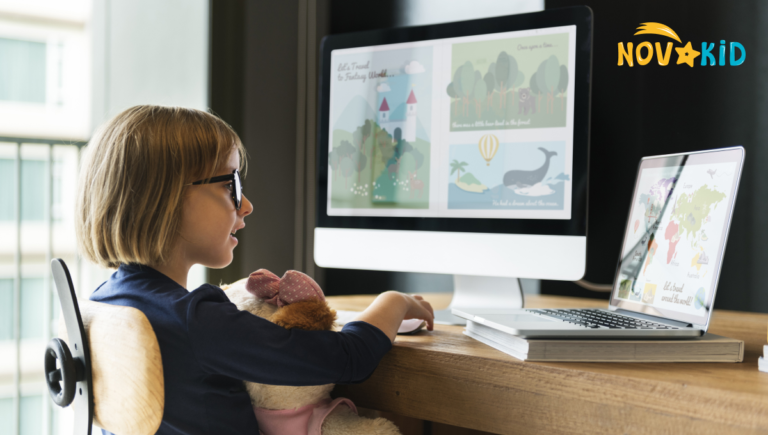
Children learn English from an early age, also with the use of the Internet, especially YouTube. To make English more attractive for children, YouTube offers many different forms: watching movies, online lessons conducted by teachers, as well as games and activities.

Learn about prepositions in English grammar with our fun and educational article for parents and kids. Check out the video with prepositions rules.

Explore an English learning formula through a survey of 300+ Novakid teachers and original studies on language and memory that might answer the question “Is English an easy language to learn?”.

How to help your child use AI to practice speaking when learning English and what mistakes to avoid.

Discover the right and wrong ways to teach children English, with practical tips to build confidence, improve language skills, and make learning fun.

Insights from English teachers on children’s speaking confidence, vocabulary retention, home practice, AI and the role parents play in language learning.

Discover simple daily micro-habits that help children learn English at home. From morning routines to bedtime stories, learn how to make English part of everyday family life.

Discover 10 techniques to reduce nervousness when kids speak English, based on insights from 347 Novakid English teachers and research on language anxiety.
We and our partners use cookies to improve your experience, personalize content and ads, and analyze traffic. By clicking 'Accept all', you agree to our use of cookies in accordance with the Cookie Policy.
You can personalize your choices by clicking on 'Cookie settings'.
We use four types of cookies on our website. You can learn more about cookies and how we use them here: Cookie Policy
Strictly necessary
Advertising
Analytics
Personalization